


The O and S on the valve stand for open and shut respectively, O stands for open, and S stands for shut. The markings can help people determine the switch direction, operate the valve correctly, and avoid accidents or incidents. In addition to looking at the signs, you can also use a variety of methods such as operating experience, fluid flow direction, thread direction, and valve stem position to determine the switch direction of the valve. Let's take a look at what the switches O and S on the valve mean and how to distinguish the switch direction of the valve.
What do the switches O and S on the valve mean
The valve is a pipeline accessory used to control the flow of water. Generally, there are two signs O and S on the valve to indicate the switch direction of the valve. So which one of the valve os is the switch?
Generally speaking, the o on the valve stands for open, which means open, and s stands for shut, which means closed. Nowadays, there will be such a mark on the valve handle to facilitate people to use when switching, and the rotation direction is also marked to avoid reverse rotation when using it.
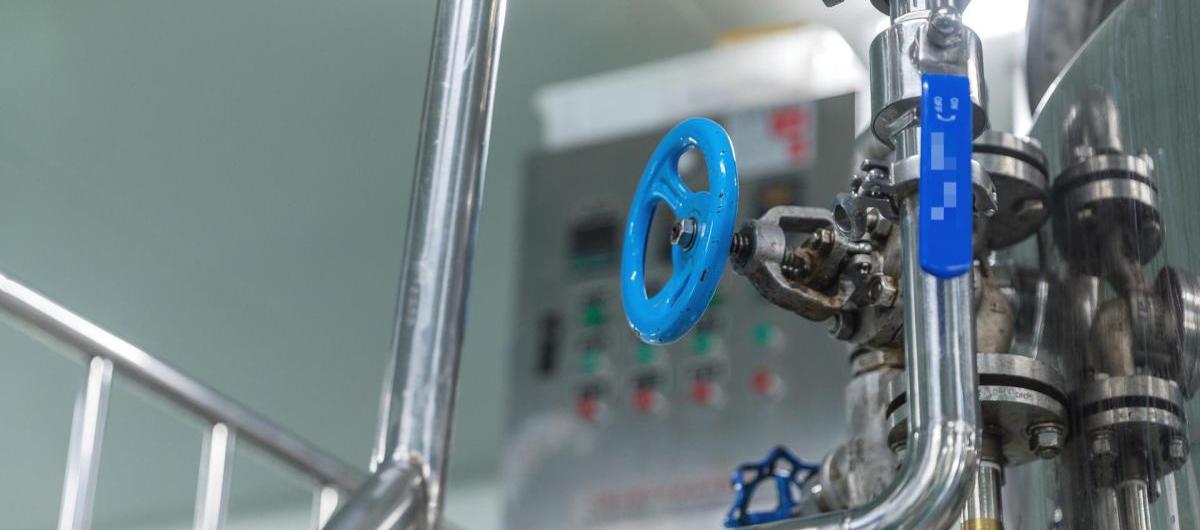
How to distinguish the switch direction of the valve
When using the valve, it is necessary to judge the switch direction according to the actual situation and the specific valve type to ensure the correct operation of the valve and avoid accidents or incidents. There are many ways to judge the switch direction of the valve. The common ones are mainly the following:
1. Visual judgment method
Observe the signs and logos on the valve, such as arrows, switch signs, etc. Generally speaking, the arrow points to the opening direction of the valve, and the switch sign indicates the direction of opening or closing.
2. Rotation sense
Turn the valve manually and observe the rotation direction. Generally speaking, clockwise rotation indicates closing and counterclockwise rotation indicates opening.
3. Operation experience method
According to operation experience, when the valve is in the closed state, reopen the valve, and it should rotate counterclockwise at this time: when the valve is in the open state, close the valve again, and it should rotate clockwise at this time.
4. Fluid flow method
Observe the flow direction of the fluid in the pipeline controlled by the valve. Generally speaking, after the valve is opened, the fluid should be able to pass through the pipeline smoothly. If the fluid cannot pass, it means that the valve may not be fully opened or closed.
5. Door plate direction
Observe the shape and logo of the valve door plate. Generally, there will be arrows, logos or words on the door plate to indicate the switch direction. The direction pointed by the arrow is the switch direction.
6. Logo
Some valves have special logos or logos on the appearance to indicate the switch direction. For example, red means closed and green means open.
7. Thread direction
When the valve is connected to the pipe, the thread connection is usually used. Observe the rotation direction of the thread. If it is a clockwise rotation connection, it means the valve is closed; if it is a counterclockwise rotation connection, it means the valve is open.
8. Valve stem position
The valve stem of some valves will move up and down during the switch process. Observe the change in the position of the valve stem to determine the switch direction of the valve. The upward movement of the valve stem indicates that the valve is open, and the downward movement of the valve stem indicates that the valve is closed.