


Room Thermostats
Room Thermostats are devices used to monitor and adjust indoor temperature. The built-in temperature sensor senses the actual indoor temperature and compares it with the user's preset temperature. When there is a deviation between the two, the thermostat will control the operation of the heating or cooling equipment according to the set logic to make the room temperature reach the set value. It is characterized by easy operation, precise temperature control, and some products have energy-saving functions. It is mainly used in various residences, office buildings, hotels and other places to meet people's needs for comfortable indoor temperature while achieving energy saving and consumption reduction.
Zhejiang Hengsen Industrial Group Co., Ltd. is a high-tech enterprise specializing in the production of HVAC control products, pipe fittings, and refrigeration fittings. Hengsen is located in Zhejiang Zhuji, that is closed to Xiaoshan and Pudong international airports with good geographical and economic advantages. Through the in-depth implementation of the technical standards strategy, Hengsen accelerated the process of transformation and upgrading. Up to now, Hengsen has 5 subsidiaries, covering a total area of more than 80,000 square meters, with more than 500 employees and more than 100 professional technicians.
Why Choose Us
Rich Experience
We have more than 20 years of manufacturing experience in copper valves, water-heating pipes, and air-conditioner parts.
Broad Market
Hengsen has a number of offices in China, and its products have been supporting many Fortune 500 enterprises for a long time, and exported to South America, Europe, the Middle East, and other regions.
Professional Team
Professional team composed of professional technical personnel, from product design, and production to quality testing, every step of professional personnel responsible for.
High Precision
Professional equipment manufacturing high-quality products, automatic production, to ensure the beauty and quality of products.
Competitive Price
Manufacturers' direct sales can eliminate the intermediate steps, and provide the best service and affordable prices.
Good Service
We can provide ODM/OEM service according to customer requirements. Each customer has a person responsible for and is provided with a year after-sales guarantee.


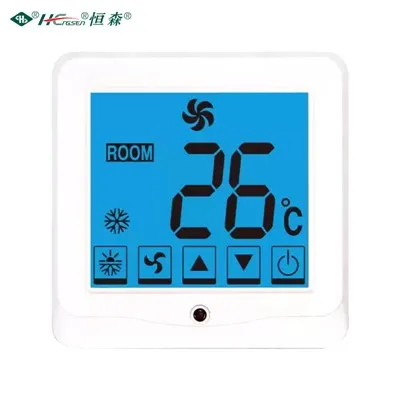


What is Room Thermostats
Room thermostats are devices used to control the temperature within a specific room or area of a building. They are commonly used in heating, ventilation, and air conditioning (HVAC) systems to regulate the temperature to a desired level for comfort or energy efficiency. By maintaining a consistent temperature, room thermostats help to create a comfortable indoor environment and can also contribute to energy savings by preventing the heating or cooling system from running excessively. They are essential components of modern HVAC systems and are found in residential, commercial, and industrial buildings alike.

Benefits of Room Thermostats
Consistency
A programmable thermostat can be set to a specified temperature. It will maintain that temperature continually. By bringing the temperature to a specific level, the heat or cold will remain constant and stable. In this manner, the temperatures in different parts of your house will be consistent, and everybody will be comfortable.
Convenience
The remote thermostat is handy since it eliminates the need to alter the temperature multiple times throughout the day. In reality, you can have varied heating and cooling programs depending on the time of day and still enjoy the relaxing environment. If you want to experience the coldness of your air conditioner when you get home from work, you can program your thermostat to do so. If you wish to feel warm and comfortable when you wake up in the morning, you can also program your smart thermostat accordingly.
Cost-efficiency
If you are leaving home, you will not want to leave your air conditioner or heater on. You can adjust the temperature manually, which will save energy and costs. But, with Smart AC Control and a smart radiator thermostat, you can achieve smart heating. No matter where you are and how distant you are from your home, you can set the desired temperature.
High-Tech Features
Programmable thermostats are improving at the same rate as technology. Newer versions like the smart thermostat are on the way, with more advanced and sophisticated features. Some thermostats can be controlled using your laptop, tablet, or even smartphone. When you are away from home and want to lower or raise the temperature, you may do so quickly with your device's help.
Energy Efficiency
By allowing precise control over indoor temperatures, thermostats help prevent excessive heating or cooling, reducing energy waste and lowering utility bills. Programmable and smart thermostats take this advantage a step further by enabling users to set temperature schedules based on their daily routines, ensuring heating or cooling is active only when needed.
Easy Using
Smart thermostats (and their accompanying apps) are user-friendly, as many consist of familiar touch screen functionalities. What's more, if you opt for a learning thermostat, you won't have to worry about programming anything, as your thermostat will learn your movements over time and program itself.
Dial Room Thermostat
This type of room thermostat is most frequent in mechanical thermostats. But, you can also find their electro-mechanical variants. To set the temperature on these thermostats, turn the dial to the desired temperature. When the boiler fires up, you'll generally hear a tick on many dial thermostats.
Digital Room Thermostat
The digital thermostat immediately turns on and off the heating system as needed. It works by monitoring the air temperature and turning on the heating when the temperature drops below the thermostat preset. Once the desired temperature is reached, the heating will turn off. Digital thermostats, unlike traditional radiators, have a digital display for temperature and controls.
Programmable Room Thermostat
You may program different room temperatures for varying times of the day and night using a programmable room thermostat. When correctly set up, a programmable thermostat protects the system from beginning to heat your home from a 'cold start.'
Wireless/Smart Room Thermostat
Regular thermostats are connected to your HVAC system directly. However, a wireless room thermostat allows you to regulate the room's temperature from anywhere. You can use your smartphone or another smart device with internet access. Use specific applications to operate your wifi thermostat while you're not at home.
How Do Room Thermostats Work
Thermostats work by detecting temperature changes within a room. Using two different methods, the thermostat can read the temperature of the room it is in.
Method One – Metallic Components
Using metallic components in thermostats is a very common way of reading temperature. Consisting of two metals, these metals will expand to different lengths, which in turn deflects a pointer of a calibrated scale. This scale will then indicate the temperature.
Method Two - Electric Sensors
Another common way that a thermostat reads temperature is by using electronic sensors. The electronic sensors within the thermostat will read the interior temperature and are found to be highly accurate; electric sensor thermostats can control room temperature with a single degree of accuracy.
Features of Room Thermostats
Wireless Connectivity
One of the coolest features of a smart thermostat is its Wi-Fi capabilities, which allow you to control the unit from your smartphone or tablet from anywhere in the world with an internet connection. If you forget to adjust the temperature before you leave for work or vacation, simply pull out your smartphone and adjust it accordingly.
Effortless Programming
Like a programmable thermostat, a smart thermostat also allows you to pre-schedule the thermostat based on the time of day and the day of the week for increased convenience and energy savings. This feature keeps you comfortable without the need to manually adjust temperatures or set schedules on your part.
Utilizing Data
Many smart thermostat models compile monthly data reports regarding your energy usage. The information tells you when you're using the most energy so you can make necessary adjustments to your HVAC system usage to maximize savings.
Maintenance Alerts and Diagnostics
Smart thermostats provide alerts about maintenance and repairs by monitoring system performance and detecting any irregularities or malfunctions, such as unusual energy consumption patterns or HVAC equipment malfunctions. These alerts can help homeowners address issues promptly, potentially preventing costly repairs or untimely system breakdowns.
Learning Capabilities
Modern smart thermostats can even learn your family's temperatures over time and make automatic adjustments for increased convenience and savings.
Voice Control Capabilities
Most smart thermostats allow homeowners to adjust their thermostat using voice commands through virtual assistants.
Before you begin, you'll need a small, flat head screwdriver and the replacement batteries.
- Detach the wall thermostat housing from it's wall-mounted plate.
- Turn the thermostat's housing over and look for the battery slots. If the batteries are tight, you may have to use the screwdriver to carefully pry them out so you can replace them with new batteries.
- Now, paying attention to the markings on the slots, insert the new batteries. If there are no markings, the plus sign should be facing up.
- Place the thermostat back on the wall by aligning the pins on the back with the terminal screw block. You should be able to snap it back into place.
Do not install batteries you think may be damaged or show signs of corrosion or leaking, and don't recharge used batteries unless they're specifically designed to be rechargeable. If you own a digital thermostat with a display, you should see an indicator warning a month or two before batteries die. This is a sign you should replace the batteries ASAP.

Signs of a Broken Room Thermostat
The HVAC System Won't Turn On
If switching on the thermostat won't activate the HVAC system, the thermostat's wiring must be defective. This issue usually calls for a professional to repair the thermostat. Before doing so, check for blown fuses, short circuits, or dead batteries. Also, check if there's dust buildup inside the thermostat.
The HVAC System Won't Turn Off
Another symptom of a wiring defect is that the HVAC unit won't turn off. The heater unceasingly produces hot air, or the air conditioning unit continues to produce cool air even when the thermostat is switched off. Defective wiring or a miscalibrated thermostat might cause this issue.
Unable to Detect the Room Temperature
Feeling colder or hotter than the temperature you've set on your thermostat? The problem might be your thermostat's inability to read the temperature. The location of the thermostat can be the cause, so check first if the thermostat is placed directly under sunlight or near open windows. If that's not the case, confirm that your thermostat is broken by placing a thermometer next to it. Wait for at least 15 minutes for the thermometer to stabilize. If it doesn't match the thermostat's temperature, it's time for a professional to step in.
Unresponsive Thermostat
A thermostat can be considered unresponsive if it continues to display a blank screen after turning it on. An unresponsive thermostat also fails to change the room temperature even after it's adjusted. For this issue, see if it needs a change of batteries. If dead batteries aren't the problem, then the thermostat needs to be repaired or replaced.
Factors To Consider When Choosing A Room Thermostats
Budget
Thermostats come in a wide price range, with basic mechanical thermostats being the most budget-friendly and advanced smart thermostats generally having a higher price tag. Determine how much you're willing to invest in a thermostat while considering the potential long-term energy savings it may offer.
HVAC System Compatibility
Ensure that the thermostat you choose is compatible with your existing heating and cooling system. Some advanced thermostats may require specific wiring or voltage requirements, so it's essential to verify that the thermostat will work seamlessly with your HVAC setup.
User-Friendliness
Consider the ease of use and user interface of the thermostat. Mechanical and basic programmable thermostats are generally straightforward to operate, while smart and learning thermostats may have more complex interfaces. If you prefer a simple and intuitive user experience, a thermostat with a touchscreen display and clear navigation may be the best fit.
Energy-Saving Features
Evaluate the energy-saving features offered by the thermostat. Programmable and smart thermostats often include energy-saving modes, occupancy sensors, and adaptive learning capabilities that can optimize energy consumption and reduce utility bills over time.
Smart Home Integration
If you have a smart home setup or plan to build one in the future, consider a thermostat that integrates seamlessly with your other smart devices.
Remote Access
For added convenience and flexibility, opt for a thermostat that offers remote access through a mobile app. Being able to control and adjust settings from your smartphone, even when you're away from home, ensures you can maintain a comfortable environment and make energy-efficient adjustments on the go.
Customer Support And Warranty
Check the manufacturer's customer support and warranty policies. A reputable brand should offer reliable customer service in case of technical issues or questions. Additionally, a warranty provides peace of mind, knowing that the manufacturer stands behind the quality and performance of their product.
Energy Efficiency Ratings
Look for thermostats with energy efficiency certifications, which indicates that the device meets strict energy-saving standards. Choosing an energy-efficient thermostat can contribute to significant long-term savings on energy bills.
Our Certificate


FAQ
We're professional room thermostats manufacturers and suppliers in China, specialized in providing high quality custom service. We warmly welcome you to wholesale high-grade room thermostats from our factory.
Motorized Valve, 12v Thermostat, Refrigeration Hand Valve