


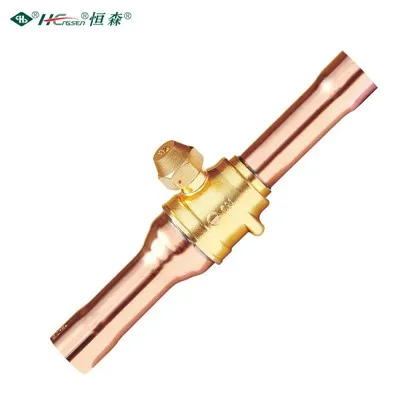
Refrigerant Valve
Refrigerant Valves are key components in refrigeration systems used to accurately control refrigerant flow, pressure and flow direction, and play a decisive role in the efficient and stable operation of refrigeration systems. It has many remarkable features, including excellent sealing performance, which can effectively prevent refrigerant leakage, excellent high and low temperature resistance, and can withstand the high and low temperature environments generated when the refrigeration system is running, ensuring normal operation under different working conditions. Refrigerant valves are widely used in various refrigeration scenarios. In the air conditioning system, it can achieve precise cooling and heating; in the cold storage refrigeration system, it strictly controls the refrigerant circulation, maintains a stable low temperature environment in the cold storage, and ensures the quality of the stored goods; in the cold chain transportation equipment, it ensures that the goods are always At a suitable low temperature.
Zhejiang Hengsen Industrial Group Co., Ltd. is a high-tech enterprise specializing in the production of HVAC control products, pipe fittings, and refrigeration fittings. Hengsen is located in Zhejiang Zhuji, that is closed to Xiaoshan and Pudong international airports with good geographical and economic advantages. Through the in-depth implementation of the technical standards strategy, Hengsen accelerated the process of transformation and upgrading. Up to now, Hengsen has 5 subsidiaries, covering a total area of more than 80,000 square meters, with more than 500 employees and more than 100 professional technicians.
Why Choose Us
Rich Experience
We have more than 20 years of manufacturing experience in copper valves, water-heating pipes, and air-conditioner parts.
Broad Market
Hengsen has a number of offices in China, and its products have been supporting many Fortune 500 enterprises for a long time, and exported to South America, Europe, the Middle East, and other regions.
Professional Team
Professional team composed of professional technical personnel, from product design, and production to quality testing, every step of professional personnel responsible for.
High Precision
Professional equipment manufacturing high-quality products, automatic production, to ensure the beauty and quality of products.
Competitive Price
Manufacturers' direct sales can eliminate the intermediate steps, and provide the best service and affordable prices.
Good Service
We can provide ODM/OEM service according to customer requirements. Each customer has a person responsible for and is provided with a year after-sales guarantee.
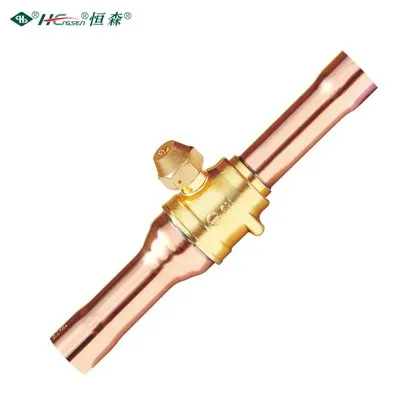
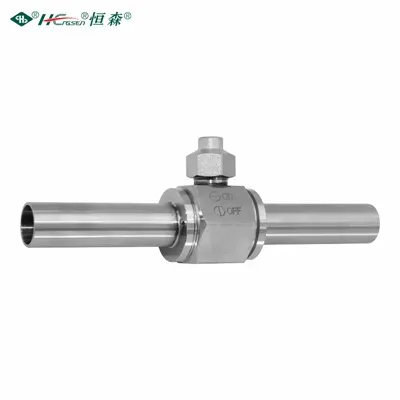
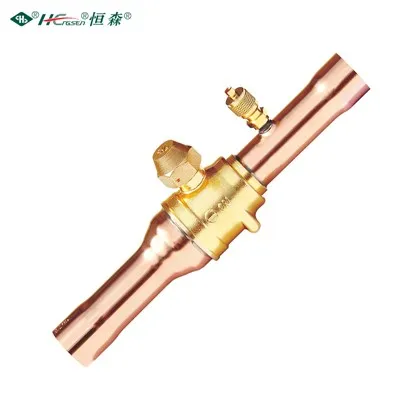
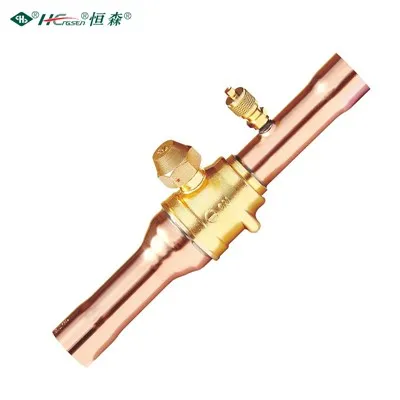

What is Refrigerant Valve
A refrigerant valve is a component used in refrigeration systems to control the flow of refrigerant. It's a crucial part of the system because it regulates the amount of refrigerant entering various components such as the evaporator, condenser, compressor, and expansion valve.
Benefits of Refrigerant Valve


More Precise Control
Refrigerant valves precisely control the amount of refrigerant that flows into your evaporator. As opposed to thermal expansion valves, refrigerant valves know far more accurately how much refrigerant flow to increase or decrease based on the information it's receiving. With an refrigerant valves, superheat is always under control, never fluctuating too high or too low.
Faster Response
Once the order is sent from the controller to the refrigerant valves about a load change, the response time is significantly faster than through a thermostatic expansion valve. Efficiency is improved over a broad range of temperatures and heat loads. When higher temperatures occur, more refrigerant is allowed to flow through the system. When the temperature drops, less refrigerant flow means your cooling system doesn’t have to work so hard.
Higher Visibility and Connectivity
With remote monitoring, operators can see superheat levels, as well as how much refrigerant is flowing without the need to be in the walk-in freezer or cooler. This information can be monitored directly between the EEV and the controller.
Flexibility
Refrigerant valves are suitable for many types of refrigerants, as well as a wider range of capacities and evaporating temperatures.
Energy Savings
With smarter monitoring and accurate control, refrigerant valves allow refrigeration control systems to operate at optimal levels, without wasting energy through unnecessary defrost cycles and avoiding large temperature fluctuations. All of this leads to a reduction in energy costs.
Handles Variation in Refrigerant Charge
The amount of refrigerant in the cooling loop is a critical parameter that could impact the performance of an enclosure air conditioner, especially if it has a passive expansion device like a capillary tube. Refrigerant valves are more tolerant to variation in refrigerant charge; since they adapt the refrigerant flow to match the heat load.
Common Types of Refrigerant Valve
Thermostatic Expansion Valves
They adjust the refrigerant flow based on the system’s cooling demand, ensuring optimal performance.
Electronic Expansion Valves
Think of these as the tech-savvy cousins of thermostatic valves. They use electronic controls to regulate the refrigerant flow, providing precise control.
Solenoid Valves
These are the power lifters of the valve world. They use electromagnetic force to open and close, allowing for quick and powerful control of the refrigerant flow.
Check Valves
They’re like the bouncers at a club, only allowing refrigerant to flow in one direction, preventing any back flow.
Functions of Refrigerant Valve
Reduce the pressure of the refrigerant
The first and foremost function of the thermostatic expansion valve is to reduce the pressure of the refrigerant from the condenser pressure to the evaporator pressure. In the condenser, the refrigerant has a very high pressure. The thermostatic expansion valve has a constriction or orifice due to which the pressure of the refrigerant passing through it drops down suddenly to the level of the evaporator pressure. Due to this, the temperature of the refrigerant also drops down suddenly and it produces a cooling effect inside the evaporator.
Keep the evaporator active
The thermostatic expansion valve allows the flow of the refrigerant as per the cooling load inside it. At higher loads, the flow of the refrigerant is increased and at the lower loads, the flow is reduced. It won’t happen if the load on the evaporator is high and the flow of the refrigerant is low thereby reducing the capacity of the evaporator. The thermostatic expansion valve allows the evaporator to run as per the requirements and there won’t be any waste of the capacity of the evaporator.
Allow the flow of the refrigerant as per the requirements
This is another important function of the thermostatic expansion valve. It allows the flow of the refrigerant to the evaporator as per the load on it. This prevents the flooding of the liquid refrigerant to the compressor and efficient working of the evaporator and the compressor and the whole refrigeration plant.
Leakage Issues
A leaky valve may allow refrigerant to escape the system, leading to insufficient cooling and higher energy costs. Furthermore, refrigerant leaks can pose health and environmental risks. But why do these leaks occur? Well, they can be attributed to several factors:
Loose Connections
Connections between the valve and other components in the cooling system can become loose over time, primarily due to the vibration and pressure changes that occur during operation. When these connections are loose, refrigerant can seep out, leading to a leak. The good news is that this issue can often be resolved by simply tightening the connections. Always remember to shut off the system before attempting any fixes!
Worn-out or Damaged Seals
Seals in a refrigerant valve are designed to prevent leaks by ensuring a tight closure. However, these seals can wear out or become damaged over time, especially under harsh conditions within a cooling system. Exposure to extreme temperatures, corrosive substances, and high pressure can all contribute to seal degradation. If a seal is worn out or damaged, it may not be able to prevent refrigerant from escaping, leading to a leak. In such cases, replacing the faulty seal can often fix the problem.
Material Degradation
The material of the valve itself can degrade over time, especially if it’s subjected to corrosive substances or harsh environmental conditions. This can lead to the development of small cracks or holes through which refrigerant can leak. If the valve material is degraded, you may need to replace the entire valve.
Blockage and Stuck Valves
Stuck valves can be a real pain, but don’t fret. Cleaning and lubrication often solve the issue. But remember, if the problem persists, it might be time for a replacement.
Wear and Tear
Like an old pair of shoes, valves can wear out over time. Regular inspection helps spot the signs of wear and tear early so you can take action before a breakdown happens.
How Do I Determine the Right Refrigerant Valve ?
Know your system’s capacity. Every refrigeration system has a definite capacity measured in tons or BTUs. You can find this information in the system’s technical manual or on the manufacturer’s website.
Identify the refrigerant type. The refrigerant type, such as R-22, R-134a, or R-410A, influences the choice of the valve. This information is usually indicated on the system’s nameplate.
Consider the evaporating and condensing temperatures. These temperatures dictate the pressure drop across the valve, which determines the valve size.
Determine the desired superheat. The superheat level, which is the temperature above the refrigerant’s boiling point, is critical in choosing the valve.
Verify with a professional. It’s always wise to consult with a refrigeration professional or seek advice from the valve manufacturer to ensure you select the right valve.
Maintenance Tips for Refrigerant Valve
Regular cleanings
It is important to keep ball valves clean to extend their lifespan. It is recommended to clean them at least once a year, or more frequently if the environment is particularly filled with dust or dirt. Use a soft towel to wipe off oil, dust, or dirt from the casing. Use a wire brush to clear any buildup on the valve stem or other components. Use cleaning agents compatible with the valve materials, such as alcohol- or water-based cleaners for non-metal parts and compressed air or gas-based cleaners for metal components.
Valve lubrication
Ball valve lubrication is essential to prevent abrasion and ensure smooth operation of the valve parts. Select a lubricant that is suitable for the valve materials and system media, such as water-insoluble, synthetic, or oil-based lubricants. However, it is crucial to avoid solid- or clay-based lubricants as they can accumulate inside the valve cavity.
Routine inspections
Check for regular wear and tear by checking the valve's seats, seals, and stem for any signs of corrosion, leaks, or damage. Increase the frequency of inspections for high-pressure and high-cycle applications.
Scheduled plant shutdowns
Routine shutdowns are ideal for ball valve inspections. The process involves removing the valves from the piping system, disassembling them, cleaning the interiors, and replacing any worn or broken components. Pay careful attention to the seals or other rubber parts.
Regular testing
Regular testing, like pressure testing (filling the valve body with a testing fluid and applying pressure for a specified length of time to check if it leaks) is essential to ensure that the ball valve is functioning correctly.
Storage
Store the ball valve in a dry, well-ventilated area away from direct sunlight and extreme temperatures. Ideally, the temperature of the storage area should be between 0°C (32°F) and 49°C (120°F). If possible, store the valve in its original packaging or in a protective container to prevent any damage during transport or storage.
Factors That Impact Ball Valve Lifespan
Media
Ball valves are typically used for controlling the on/off flow of liquids and gasses, such as water, oil, air, and chemicals. However, media with abrasive suspended particulates can lead to premature failure of valve seals, causing leaks or increased operating torque, ultimately leading to actuation failure. Using ball valves with abrasive media reduces their lifespan.
Materials
Plastic ball valves are cost-effective but not suitable for high-temperature environments and have a shorter lifespan compared to metal valves. Metal valves are recommended for use with pressurized gasses for safety reasons. It is crucial to verify that the valve body and seal materials are compatible with the media flowing through the valve.
Temperature and pressure ratings
When determining the suitability of a valve, it is essential to consider its pressure and temperature rating. The rating determines the proper materials, valve design, and seal materials that should be used. The rating, along with the cycle frequency, significantly affects the lifespan of the ball valve. If a ball valve is used in an application close to its pressure/temperature rating and cycled infrequently, it may last for years. However, the same valve in the same application may need frequent replacement if cycled often.
Our Certificate


FAQ
We're professional refrigerant valve manufacturers and suppliers in China, specialized in providing high quality custom service. We warmly welcome you to wholesale high-grade refrigerant valve from our factory.
2 Ball Valve, 3 8 Valves, 1 2 Refrigeration Ball Valve