


HVAC & Hot Water Solutions
What is HVAC Hot Water Solutions?
Heating, ventilation and air conditioning (HVAC)
Heating
Aims to provide a suitable temperature for buildings in cold seasons. Common equipment and systems are as follows:
Boiler: Heats water to produce steam or hot water by burning natural gas, fuel oil or using energy such as electricity. Steam or hot water is transported to the radiator in the building through pipes, raising the indoor temperature through heat radiation and convection. For example, many buildings in the north use gas boilers for heating in winter, which is efficient and stable.
Heat pump: It can absorb heat from the air, underground or water and transfer it to the room to achieve heating. Air source heat pumps are widely used in areas with mild climates. They can obtain a large amount of free heat energy from the air while consuming a small amount of electricity, achieving energy saving.
Ventilation
Responsible for indoor and outdoor air exchange and ensuring air quality. The main methods are:
Natural ventilation: Relying on natural forces such as temperature difference between the inside and outside of the building and wind pressure to achieve air circulation. Reasonable design of the location and size of doors, windows, vents, etc. of the building can allow fresh air to enter the room naturally and exhaust dirty air, such as the through-the-hall wind design in traditional houses.
Mechanical ventilation: Forced air exchange with the help of equipment such as fans. In some crowded places such as large shopping malls and office buildings, mechanical ventilation systems can accurately control the ventilation volume to ensure fresh indoor air, while also filtering, heating or cooling the incoming air.
Air Conditioning
Adjust the temperature, humidity, cleanliness and airflow speed of indoor air to create a comfortable environment. Common types include:
Split air conditioner: Consists of indoor and outdoor units, suitable for homes and small commercial places. The indoor unit is responsible for cooling, heating and regulating indoor air, while the outdoor unit performs heat exchange. Such as common wall-mounted and cabinet air conditioners.
Central air conditioning: Suitable for large buildings, one or more hosts generate cold (heat) sources, and the cold (heat) is transported to each room through the air duct or water pipe system. For example, the water system central air conditioner commonly used in large shopping malls and hotels can achieve precise temperature control over large areas and multiple zones.
Featured Products

Automatic flow adjustment
Keep the flow constant:The dynamic balancing valve can automatically adjust the valve opening according to the system pressure change, ensuring that the flow through the valve is not affected by the system pressure fluctuation and always maintains the set value. In the HVAC water system, when the valve opening of some terminal equipment changes, causing the system pressure to fluctuate, the dynamic balancing valve can automatically adjust to ensure that the equipment connected to the valve can obtain a stable flow and maintain a stable heating or cooling effect.
Adapt to load changes:For some systems with frequent load changes, such as the air conditioning system of an office building, the load is large when there are dense personnel during the day and small when there are few personnel at night. The dynamic balancing valve can automatically adjust the flow according to the actual load changes, so that the system can operate efficiently under different working conditions, avoiding the trouble of frequent manual adjustment of traditional valves.
Improve system stability
Eliminate hydraulic imbalance: In large-scale fluid transportation systems, hydraulic imbalance is prone to occur due to differences in factors such as pipeline resistance and equipment characteristics, that is, the flow in some areas is too large, while the flow in some areas is insufficient. The dynamic balancing valve can balance the flow of each branch, making the fluid distribution in the system more even, effectively eliminating hydraulic imbalance, and improving the stability and reliability of the entire system operation.
What is PICV?
PICV usually refers to Pressure-Independent Control Valve, which is an advanced valve used in HVAC water systems. It integrates dynamic balancing and flow control functions to optimize system performance, improve energy efficiency and comfort.

How PICV works?
Pressure compensation mechanism
The PICV has a built-in pressure sensor that can sense pressure changes at both ends of the valve inlet and outlet in real time. When the system pressure fluctuates, such as due to changes in the opening of other branch valves, the PICV compensates for the pressure change by changing its own opening to ensure that the flow through the valve is not affected. For example, if the system pressure increases, the PICV will automatically reduce the opening to maintain the preset flow; if the pressure decreases, it will automatically increase the opening.
Precise flow control
A specific flow value can be set manually or automatically. The flow control mechanism inside the valve accurately adjusts the valve opening according to the set value and actual flow feedback to achieve precise control of the flow. In air-conditioning terminal equipment, such as fan coil systems, the water flow entering the coil can be accurately adjusted according to the indoor load changes to ensure stable indoor temperature.
Our advantage
Optimize hydraulic balance
The HVAC system of the building has complex pipelines, and the resistance of each branch varies greatly, which can easily cause hydraulic imbalance and lead to uneven heating and cooling in some areas.
PICV can automatically sense pressure changes and adjust the opening to ensure stable flow in each branch, effectively solving the problem of hydraulic imbalance.
Significant energy saving and consumption reduction
The load in different areas and time periods in the building changes frequently. PICV can accurately adjust the flow according to the load in real time to avoid energy waste.
At the same time, it can optimize the operation of the water pump and reduce the energy consumption and wear of the water pump. Compared with traditional valves, PICV can save 15% - 30% energy, effectively reducing the overall energy consumption and carbon emissions of the system.
Improve indoor comfort
In the air conditioning system, PICV accurately controls the flow of hot and cold water entering the terminal equipment, maintains a stable indoor temperature, and avoids discomfort caused by temperature fluctuations.
In addition, it can reduce water flow noise caused by hydraulic imbalance, creating a quiet and comfortable environment for people in the building.
Convenient system maintenance
The operating status of PICV can intuitively reflect system problems.
When the flow is abnormal, the fault can be quickly located, which is convenient for maintenance personnel to troubleshoot and repair, reducing system downtime.
More products for HVAC Hot Water Solutions
We provide one-stop solutions, from valves to accessories, we have everything you want.

Butterfly valve
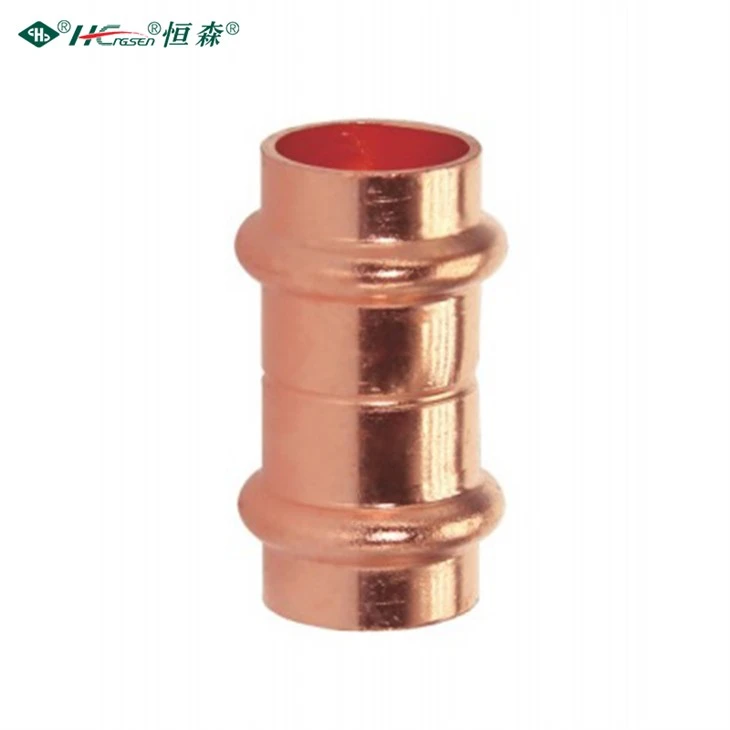
Copper accessories

Zone valve

Digital display
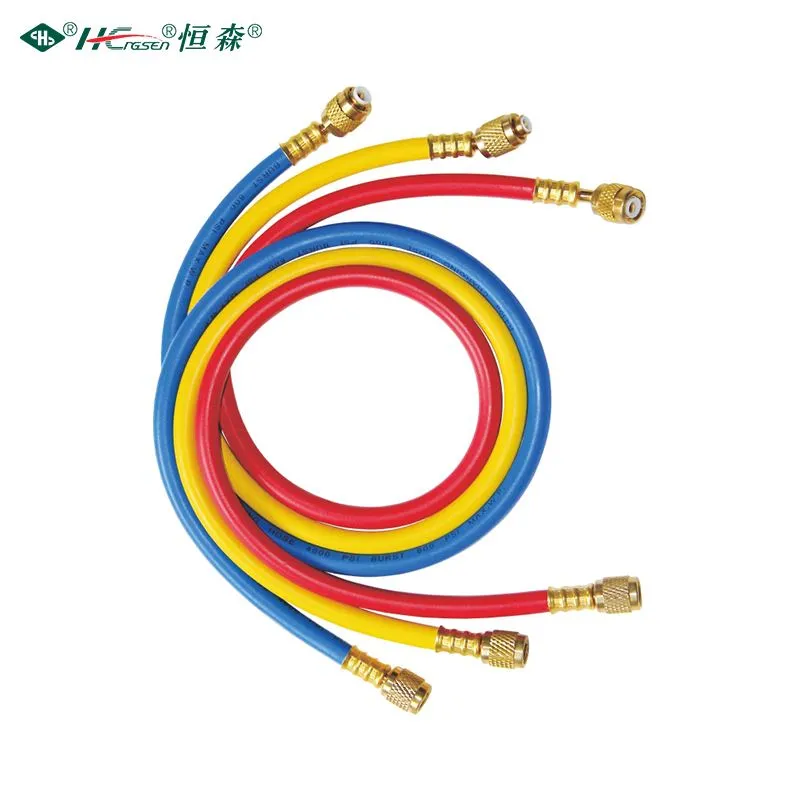
charging hose
What You Should Know About HVAC Hot Water Solutions
What are the specific parts of the HVAC system?
The HVAC system is mainly composed of three parts: heating, ventilation and air conditioning. Common equipment in the heating part includes boilers, heat pumps, etc., which are responsible for providing heat to buildings in cold seasons. The ventilation part includes natural ventilation and mechanical ventilation. Natural ventilation relies on the temperature difference and wind pressure inside and outside the building to achieve air circulation, while mechanical ventilation uses equipment such as fans to force air exchange. The air conditioning part is used to adjust the temperature, humidity, cleanliness and air flow speed of indoor air. Common types include split air conditioners and central air conditioners.
How to achieve energy saving in HVAC Hot Water Solutions?
In the HVAC system, frequency conversion technology can be used to allow water pumps, fans and other equipment to adjust the operating frequency according to the actual load to reduce energy consumption; install intelligent control systems to automatically adjust equipment operation according to indoor and outdoor environments and personnel activities; select high-efficiency equipment and insulation materials to reduce heat loss. In terms of hot water supply, solar water heaters can use solar energy to heat water and save traditional energy; optimize the design of hot water systems, use circulation systems to reduce hot water waiting time, avoid water waste, and reasonably set water temperature to prevent overheating.
What is the difference between a dynamic balancing valve and a PICV in an HVAC system?
Although both are used to adjust flow and improve system stability, there are still many differences.
Working principle: The dynamic balancing valve mainly senses the pressure difference at both ends of the valve and uses the balance relationship between the pressure difference and the spring force to adjust the valve opening to maintain a stable flow. The PICV can not only sense the pressure difference, but also has a built-in flow measurement element. It can compare the preset flow value with the actual measured flow, adjust the opening more accurately, and control the flow with higher accuracy.
Adjustment characteristics: The dynamic balancing valve focuses on balancing the system pressure. When the system pressure fluctuates, it can better maintain the stability of the flow. The PICV can quickly and accurately adjust the flow according to the changes in the system load, and can more flexibly adapt to the dynamic changes of the system. It has obvious advantages in systems with frequent load changes.
Application scenarios: The dynamic balancing valve is suitable for occasions where there are certain requirements for flow stability and the system working conditions are relatively stable, such as some small-scale building HVAC systems with little load changes. PICV is more suitable for large commercial buildings, smart buildings and other places with complex systems and large load changes, and can better meet the heating or cooling needs of different areas and different time periods.
What should be paid attention to in the daily maintenance of HVAC system?
For heating equipment, such as boilers, it is necessary to regularly check the burner, water level gauge and other components to ensure their normal operation, and perform comprehensive maintenance once a year to clean the internal scale. For ventilation systems, it is necessary to regularly clean or replace air filters to ensure smooth ventilation and air quality; check the operating status of the fan to ensure its normal operation and avoid abnormal noise or vibration. For the maintenance of air-conditioning equipment, split air conditioners need to regularly clean the indoor unit filter, and the outdoor unit needs to clean the surrounding debris to ensure good heat dissipation; in addition to cleaning the filter, central air conditioners also need to regularly check the refrigerant pressure to ensure the cooling and heating effect. In addition, the entire HVAC system must regularly check whether the pipeline has leaks and whether the insulation layer is intact.
How to choose HVAC & Hot Water Solutions suitable for a building?
Choosing a solution suitable for a building requires a comprehensive consideration of many factors. First, consider the purpose of the building. For example, different uses such as office buildings, hotels, and residences have different requirements for temperature, humidity, and ventilation. Office buildings are densely populated and have concentrated working hours, so they have higher requirements for ventilation and temperature control; hotels need to ensure that each room has a stable hot water supply and comfortable water temperature. Secondly, consider the size and layout of the building. Large buildings may require more complex central air-conditioning systems and centralized hot water supply systems; small buildings can choose split air conditioners and small water heaters. Energy costs and environmental protection requirements must also be considered. If the local solar energy resources are abundant, solar water heating systems can be given priority; if energy saving is pursued, energy-efficient HVAC equipment and intelligent control systems can be selected.
We're professional hvac & hot water solutions manufacturers and suppliers in China, specialized in providing high quality custom service. We warmly welcome you to wholesale high-grade hvac & hot water solutions from our factory.
45 Elbow, 2 Inch Ball Valve, Wafer Type Butterfly Valve