


In the heating, ventilation and air conditioning (HVAC) system of modern buildings, hydraulic balance is crucial to the energy saving, high efficiency and stable operation of the system. Although the traditional static balancing valve can adjust the flow under certain working conditions, in actual operation, due to the frequent changes in system load, the static balancing valve often cannot adapt to dynamic needs, resulting in reduced energy efficiency and reduced comfort. In order to meet this challenge, the dynamic balancing valve came into being.
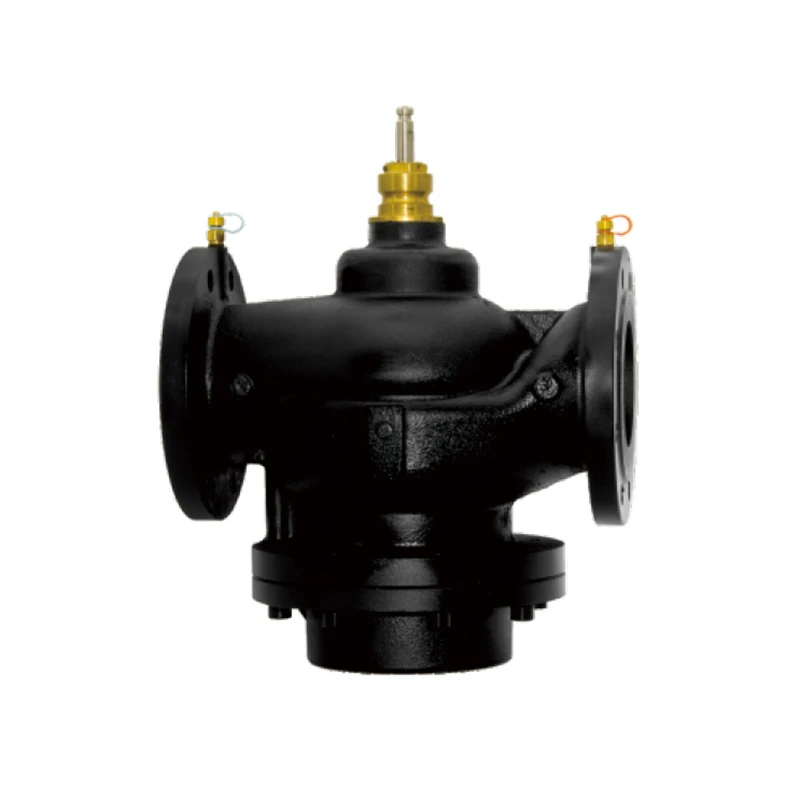
1. What is a dynamic balancing valve?
The dynamic balancing valve is a hydraulic control device with automatic flow regulation function. When the system pressure changes, it can keep the water flow at a preset value through the built-in pressure difference control mechanism, thereby achieving the dynamic balance of the system.
It is different from the traditional static balancing valve, which relies on manual adjustment to lock the opening and cannot cope with the pressure fluctuations that occur during system operation. The dynamic balancing valve automatically adjusts the valve opening according to the pressure difference in the system, and can achieve precise flow control without manual intervention.
Technical principle
The following core structures are usually integrated inside the dynamic balancing valve:
Flow setting device: set the target flow through a knob or dial;
Pressure difference adjustment mechanism: sense the upstream and downstream pressure difference through a spring or diaphragm structure;
Automatic adjustment valve core: automatically increase or decrease the valve opening according to the pressure difference change to maintain a constant flow;
Measurement interface (optional): convenient for flow testing and debugging.
When working, the system water pressure increases and the valve opening automatically decreases; when the pressure decreases, the valve automatically increases the opening, thereby keeping the water flow constant. This adjustment process does not require power and external control system, and is a passive intelligent control.
2. Advantages of dynamic balancing valves
1. Achieve dynamic balance of the system
Dynamic balancing valves can achieve precise flow control under variable load conditions, avoiding overcooling or overheating of some ends in the system due to excess flow, and also preventing the problem of remote equipment not getting enough water.
2. Improve the energy efficiency of the system
The system does not need to design redundant pump power, saving power consumption; and because of the balanced water flow, the heat exchange efficiency is improved, which helps to reduce energy waste.
3. Simplify design and debugging
Compared with traditional static balancing solutions, dynamic balancing valves make pipe network design simpler, reduce a lot of flow calculation and on-site adjustment work, and improve engineering efficiency.
4. Reduce operation and maintenance costs
Dynamic balancing valves do not require frequent manual adjustment, have longer maintenance cycles, and are more reliable. They are particularly suitable for system scenarios with frequent changes in variable loads.
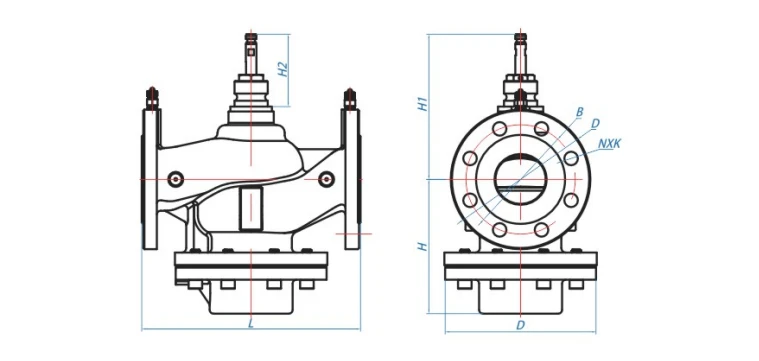
3. Typical application areas
Dynamic balancing valves play an extremely critical role in modern water systems and are widely used in various types of HVAC systems, hydraulic circulation systems, and regional heating projects. The following are detailed descriptions of several typical application scenarios:
1. Central air conditioning chilled water system
In large shopping malls, office buildings, hospitals, high-end residential buildings, etc., the central air conditioning chilled water system uses chillers to transport cold water to various terminal devices (such as fan coils, air conditioning boxes, etc.) for cooling. Due to the different floor heights and large differences in branch lengths, uneven water flow distribution is prone to occur, resulting in overcooling in some areas and insufficient cooling in some areas.
After installing the dynamic balancing valve, the flow of each branch pipeline can be automatically adjusted according to the design flow of each terminal, ensuring the stability and comfort of the system operation, effectively improving cooling efficiency, and reducing energy consumption.
2. Hot water heating system
In floor heating or radiator heating systems, the room area, heat load, and pipe laying length vary. Traditional static balancing valves are difficult to achieve stable adjustment, which can easily cause some rooms to overheat and other rooms to be underheated.
The dynamic balancing valve can adjust the flow rate in real time according to the change of water pressure, so that each circuit can obtain accurate hot water supply, ensure the indoor temperature balance, improve thermal comfort and energy utilization, and is particularly suitable for north-south mixed buildings or multi-zone control systems.
3. Hot water circulation system
In hotels, hospitals, schools and other places, the hot water circulation system is an important facility to ensure stable hot water supply around the clock. Due to the obvious difference in pipeline distance, the water flow at the far end is often slow and the water temperature is low, which seriously affects the user experience.
After the dynamic balancing valve is installed at the return water outlet of each branch, it can effectively adjust the flow rate of each circuit, prevent cross-interference of hot and cold water, improve the response speed of hot water, and avoid energy waste. It is a commonly used energy-saving component in modern high-end hot water systems.
4. Regional centralized heating/cooling system
In urban centralized heating or cooling projects, the system is large in scale, complex in branches, with a large number of users, and the flow demand of each heat unit changes frequently. Traditional valves are difficult to ensure the overall balance of the system, and are prone to the phenomenon of "near hot and far cold" or "near cold and far hot".
The dynamic balancing valve uses automatic adjustment to stabilize the heat or cold distribution of each branch in real time, ensuring balanced and efficient operation of the entire pipe network, while reducing pump load and extending system life. This is especially important for cities with centralized heating in northern winter.
5. Industrial cooling water/heating water system
In industrial fields, such as electronic manufacturing, pharmaceuticals, and chemicals, cooling water or process hot water systems require stable flow and precise temperature difference control. Dynamic balancing valves can ensure water flow control of key process equipment, improve production stability, and reduce failure rates and production losses.
6. Data centers and smart building systems
Data centers have extremely high requirements for temperature control accuracy of air-conditioning systems. If cooling is uneven, it will seriously affect the safety of server operation. Dynamic balancing valves are used in chilled water branches to ensure consistent cooling effects in each server area, helping data centers to operate green and energy-saving.
At the same time, in smart building systems, dynamic balancing valves can also be linked with BMS to achieve remote monitoring and early warning, improving the level of building automation.
4. Selection considerations
When selecting a dynamic balancing valve, the following factors should be considered comprehensively:
Matching the design flow and caliber: Select the appropriate valve specifications according to the design flow of the terminal equipment;
Installation position and direction: Confirm that the valve is suitable for horizontal or vertical installation, and pay attention to the direction of water flow;
Valve body material: Copper alloy, stainless steel or cast iron, which needs to be selected according to the corrosion resistance requirements of the application environment;
Whether a measurement interface is required: For projects with high debugging requirements, it is recommended to select a model with a pressure difference/flow detection port;
Compatibility with the control system: Some projects may need to be integrated with the automation system or building control system, and the interface compatibility needs to be confirmed.
5. Zhejiang Hengsen Industrial Group Co., Ltd.
In the field of dynamic balancing valve R&D and manufacturing, Zhejiang Hengsen Industrial Group Co., Ltd. has won wide market recognition for its excellent product quality and technological innovation capabilities.
Headquartered in Zhejiang Province, China, Hengsen Group focuses on HVAC control, intelligent heating, refrigeration system control components and other fields. The company has a modern production plant, automated assembly line, a complete experimental testing center and a strong R&D team. Since its establishment, Hengsen has always adhered to the development concept of "precision manufacturing, quality first, and technology leadership", and its products have been widely used in many national key projects and international projects.
In the dynamic balancing valve series, Hengsen provides a variety of calibers and specifications, supporting a full range of coverage from DN15 to DN300, which can be widely used in civil buildings, industrial projects, infrastructure and green building projects. Product features include:
High-precision flow control mechanism: fast response, smooth adjustment, and adaptability to system instantaneous load fluctuations;
Low-noise operation: especially suitable for noise-sensitive places such as high-end residences and hospitals;
Modular design: easy to maintain and upgrade;
Compatible with building intelligent systems: supports linkage with BMS systems to achieve remote monitoring and intelligent adjustment.
In addition, Hengsen also provides one-stop solution services, including HVAC system design consultation, product customization, installation guidance, after-sales technical support, etc., to help customers improve project efficiency.
6. Conclusion
As an important component for achieving precise regulation and energy-saving operation of hydraulic systems, dynamic balancing valves are gradually replacing traditional static balancing methods and becoming a standard configuration in modern building HVAC systems. With its advantages of automatic adjustment, rapid response, energy saving and environmental protection, and easy maintenance, it provides a strong guarantee for the stable operation and comfortable experience of the system.
In practical applications, it is very important to choose reliable brands and high-quality products. Zhejiang Hengsen Industrial Group Co., Ltd., with its deep industry accumulation and continuous technological innovation, is serving the global market with high-quality dynamic balancing valve products, injecting solid momentum into the construction of green buildings and smart cities.