


In the field of modern industrial automation, the efficiency and reliability of fluid control equipment directly affect production efficiency and system safety. As an intelligent fluid control device, electric butterfly valve is widely used in many fields such as petroleum, chemical industry, water treatment, and electricity due to its fast response, compact structure, and precise adjustment. This article will deeply analyze the working principle, technical structure, application scenarios, and industry development trends of electric butterfly valves, and provide comprehensive professional reference for practitioners. For high-quality electric butterfly valve solutions, please visit https://www.hengsen-sc.com/plumbing-flow-control-solutions/electric-butterfly-valve/.
Contents
1.Definition and core functions of electric butterfly valves
2.Working principle and driving mechanism
3.Structural composition and technical characteristics
4.Classification standards and selection points
5.Core advantages and application fields
6.Installation and maintenance and industry development trends
7.Summary and industry recommendations
1. Definition and core functions of electric butterfly valves
Electric butterfly valves are an automated valve that drives the butterfly plate to rotate through an electric actuator to achieve fluid on-off or flow regulation. Its core function is to receive electrical signals (such as 4-20mA analog or switch quantity) and accurately control the rotation angle of the butterfly plate (0°-90°), thereby adjusting the flow, pressure or flow direction of the medium in the pipeline. Compared with traditional manual butterfly valves, electric butterfly valves have a higher level of automation, can achieve remote control and system integration, and significantly improve the efficiency and safety of industrial processes.

2. Working principle and drive mechanism
The working principle of the electric butterfly valve is based on the synergy between the electric actuator and the butterfly plate:
Signal reception and conversion: The electric actuator receives electrical signals from the control system (such as AC220V, AC380V power supply or 4-20mA control signal) and converts electrical energy into mechanical power.
Butterfly plate rotation control: The actuator drives the valve stem to rotate through a gear or worm gear transmission mechanism, and then drives the butterfly plate to make a 90° rotation movement in the valve body. When the butterfly plate is parallel to the pipeline axis, the valve is fully open; when it is vertical, the valve is fully closed.
Flow regulation logic: The regulating electric butterfly valve can achieve continuous regulation of the medium flow by precisely controlling the rotation angle of the butterfly plate, meeting the precise control requirements under different working conditions.
3. Structural composition and technical characteristics
The electric butterfly valve is mainly composed of the following parts, and each component works together to achieve efficient performance:
3.1 Valve body and butterfly plate
Valve body material: According to the medium characteristics and working conditions, the valve body can be made of cast iron, cast steel, stainless steel or plastic. For example, stainless steel valve bodies are suitable for corrosive media, while plastic valve bodies are used in food, medicine and other scenes with high cleanliness requirements.
Butterfly plate design: The butterfly plate is usually disc-shaped and adopts a streamlined structure to reduce fluid resistance. Some high-end products use frame-type butterfly plates to improve strength and reduce medium retention.
3.2 Electric actuator
Type and function: Actuators are divided into switch type and regulating type. The switch type is used for simple on-off control, while the regulating type is equipped with a servo module to support precise flow regulation.
Protection and reliability: The actuator housing is mostly made of hard aluminum alloy or cast iron, with IP67 protection level, suitable for harsh environments. Built-in overheat protection, torque control and other functions ensure long-term stable operation.
3.3 Sealing system
Sealing form: The electric butterfly valve adopts soft seal or hard seal design. Soft seals (such as rubber, polytetrafluoroethylene) have good sealing performance and are suitable for low-pressure scenarios; hard seals (such as metal alloys) are heat-resistant and pressure-resistant, suitable for high-temperature and high-pressure conditions.
Sealing structure: Some products adopt double eccentric or triple eccentric design, and the dynamic fit between the butterfly plate and the valve seat improves the sealing performance and reduces wear.
4. Classification standards and selection points
4.1 Classification by connection method
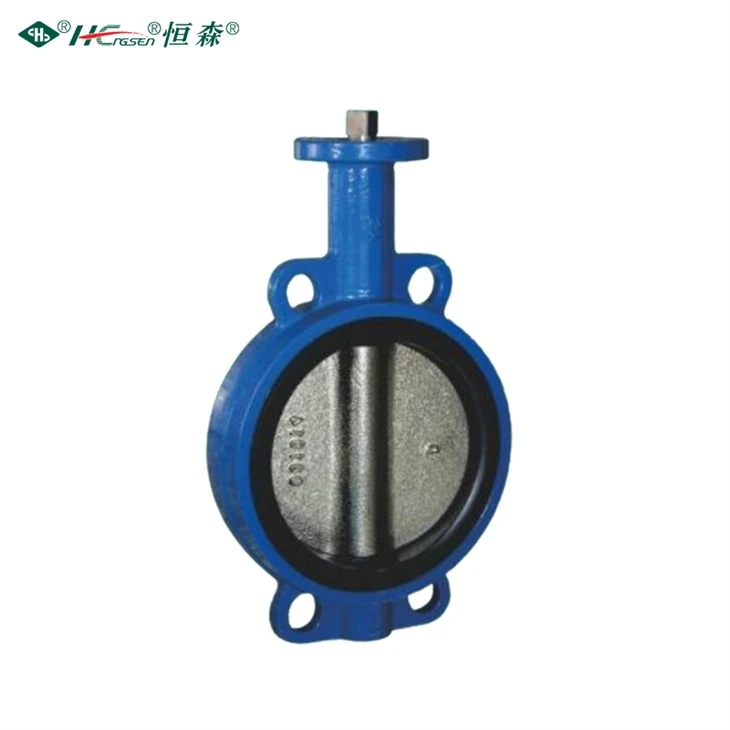
Wafer-type electric butterfly valve: It is clamped between two pipe flanges by stud bolts, with a compact structure and space saving, suitable for small and medium-sized pipes.
Flange-type electric butterfly valve: The valve body has a flange, which is connected to the pipe flange by bolts, has strong pressure bearing capacity, and is suitable for large-diameter or high-pressure pipes.
4.2 Key factors in selection
Medium characteristics: The corrosiveness, temperature, pressure and particle content of the medium should be considered to select the appropriate material and sealing form.
Flow demand: According to the pipeline flow and control accuracy requirements, select a switch type or a regulating type actuator.
Installation environment: Determine the connection method and actuator type based on the space conditions and protection level requirements.
5. Core advantages and application areas
5.1 Technical advantages
Efficient energy saving: 90° fast opening and closing design reduces energy loss; regulating butterfly valve can accurately control the flow and optimize system efficiency.
Compact structure: small size, light weight, easy to install and maintain, especially suitable for scenes with limited space.
Strong adaptability: A variety of materials and sealing forms are available, which can adapt to a wide range of working conditions from low temperature to high temperature, from ordinary media to corrosive media.
5.2 Typical application scenarios
Petrochemical: Used for the transportation control of crude oil and chemical raw materials, adapting to high temperature and high pressure environments.
Water treatment: Regulate the flow in the water supply and drainage system to achieve efficient management of water resources.
Power industry: Control the flow of cooling water, steam and other media in power stations to ensure stable operation of equipment.
Environmental protection engineering: Regulate gas flow in dust removal and exhaust gas treatment systems to meet environmental protection requirements.
6. Installation and maintenance and industry development trends
6.1 Key points of installation and maintenance
Installation specifications: Before installation, check whether the valve channel and sealing surface are clean to ensure that the butterfly plate is in a closed state; perform electrical wiring according to the instructions to avoid wiring errors.
Daily maintenance: Regularly check the sealing of the actuator and the lubrication status of the transmission parts, clean the sensor and limit switch, and ensure accurate signal transmission.
6.2 Industry development trends
Intelligent upgrade: Integrate Internet of Things (IoT) technology to achieve real-time monitoring of valve status and fault warning, and promote the process of Industry 4.0.
Material innovation: Develop new corrosion-resistant and high-temperature resistant materials to expand the application of electric butterfly valves under extreme working conditions.
Green design: Use energy-saving actuators and environmentally friendly materials to reduce energy consumption and environmental impact.
7.Summary and industry recommendations
As the core equipment of industrial fluid control, the technological innovation and performance optimization of electric butterfly valves continue to promote automation upgrades in various fields. In the future, as the trend of intelligence and greening accelerates, electric butterfly valves will play a key role in more complex working conditions. For industry practitioners, it is recommended to pay attention to the development of technology, choose suppliers with R&D strength and quality assurance (such as https://www.hengsen-sc.com), and reasonably select and maintain according to actual working conditions to ensure efficient and safe operation of the system.