


In modern industrial and civil fields, efficient use and precise control of water resources are crucial. As the core equipment of automated fluid control, electric water valves achieve precise regulation and remote control of water media through intelligent drive technology, and are widely used in building water supply and drainage, industrial water treatment, agricultural irrigation and other scenarios. This article will deeply explore the working principle, technical classification, performance advantages and practical application of electric water valves, and combine product cases of professional manufacturers such as Hengsen to present the technical details and industry value of electric water valves to readers.
Contents
1. Definition and working principle of electric water valves
2. Core classification and technical characteristics of electric water valves
3. Performance advantages and industry value of electric water valves
4. Typical application scenarios of electric water valves
5. Selection points and installation specifications of electric water valves
6. Maintenance and troubleshooting of electric water valves
1. Definition and working principle of electric water valves
Electric water valves are an automated valve that drives the valve core to move through an electric motor to achieve water medium on-off or flow regulation. Its core working principle is: after the motor receives the control signal (such as current, voltage or digital instruction), the speed reducer converts the high-speed rotation into the low-speed movement of the valve core (such as rotation or lifting), thereby changing the cross-sectional area of the valve body channel to achieve the purpose of controlling the water flow.
Taking Hengsen's electric water ball valve as an example, it adopts a 90-degree rotating ball valve structure, the valve core is a metal sphere, and the surface is precisely polished and sealed. When the motor drives the ball to rotate, the through hole on the ball is aligned or misaligned with the valve body channel to achieve water conduction or cutoff. By controlling the rotation angle of the motor, the flow rate can be accurately adjusted to meet the needs of different working conditions.
The drive system of the electric water valve usually includes a motor, a speed reducer, a control module and a position feedback device. The control module can receive signals from sensors (such as pressure, flow sensors) or host computers to achieve closed-loop control and ensure that the valve opening is consistent with the preset value.
2. Core classification and technical features of electric water valves
According to different structures, functions and driving modes, electric water valves can be divided into the following categories:
2.1 Electric ball valve
The electric ball valve is the most common type of electric water valve. Its valve core is a sphere, which is switched on and off by rotation. Hengsen's electric water ball valve adopts an integrated design and has the following characteristics:
High sealing: PTFE or metal sealing materials are used to ensure zero leakage.
Quick switch: 90-degree rotation can complete full opening or full closing, and the response time is short.
Corrosion resistance: The valve body and valve core can be made of stainless steel, bronze and other materials to adapt to different water qualities.

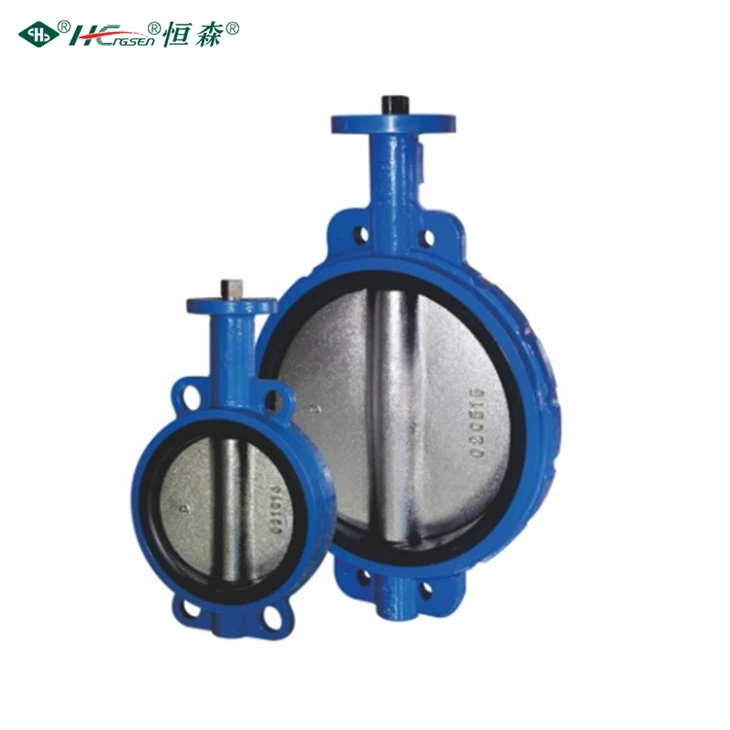
2.2 Electric butterfly valve
The valve core of the electric butterfly valve is disc-shaped, and the water flow is controlled by rotating the disc. Its characteristics include:
Compact structure: small size and light weight, suitable for installation environments with limited space.
Good adjustment performance: The flow rate can be accurately controlled, suitable for scenes that require continuous adjustment.
2.3 Globe Valve
The electric stop valve controls the water flow by raising and lowering the valve core, and has the following advantages:
Excellent sealing performance: suitable for high pressure and high temperature conditions.
Precise flow regulation: fine adjustment is achieved by controlling the valve core opening.

2.4 Electric regulating valve
The electric regulating valve combines electric drive and flow regulation functions, usually equipped with an intelligent control module, which can automatically adjust the opening according to preset parameters and is widely used in industrial systems that require precise control.
3. Performance advantages and industry value of electric water valves
The technical characteristics of electric water valves bring significant value to various industries:
3.1 Automation and remote control
Electric water valves can be remotely controlled through control systems such as PLC and DCS without manual intervention. For example, in urban water supply networks, staff can monitor the opening of valves at each node in real time through the central control room, adjust water pressure in time, and improve water supply efficiency.
3.2 Precise flow control
The motor drive and precision transmission system of the electric water valve enable it to achieve high-precision flow regulation. Hengsen's electric water ball valve is equipped with an encoder, which can control the opening error within ±1%, meeting the requirements of industries such as chemical and pharmaceutical industries with extremely high flow accuracy.
3.3 Energy saving and environmental protection
The electric water valve can dynamically adjust the opening according to actual needs to avoid energy waste caused by excessive opening of traditional valves. For example, in the HVAC system, the electric water valve can accurately control the water flow and reduce energy consumption by linking with the temperature sensor.
3.4 High reliability and long life
The structural design and material selection of the electric water valve (such as stainless steel valve core and wear-resistant seals) enable it to operate stably for a long time in harsh environments. Hengsen's products have been tested for 100,000 openings and closings to ensure that the service life exceeds the industry standard.
4. Typical application scenarios of electric water valves
4.1 Building water supply and drainage system
In high-rise buildings, electric water valves are used to control the supply of fire water systems and domestic water. For example, when a fire occurs, the electric water valve can be opened automatically to ensure the stability of the water pressure in the fire pipe.
4.2 Industrial water treatment
In the water treatment process of chemical, electric power and other industries, electric water valves are used to control wastewater discharge and the flow of circulating water. Its corrosion resistance and high-precision control capabilities ensure the stability of industrial production.
4.3 Agricultural irrigation
In the intelligent agricultural irrigation system, the electric water valve can automatically open or close according to the signal of the soil moisture sensor to achieve precise irrigation and save water.
4.4 Municipal engineering
In the booster pump station and water treatment plant of the urban water supply network, the electric water valve is used to adjust the direction and flow of water flow to ensure the safety of water supply.
5. Selection points and installation specifications of electric water valves
5.1 Selection points
Medium characteristics: Select the appropriate valve body material (such as cast iron, stainless steel) and sealing material according to the temperature, pressure and corrosiveness of the water.
Flow requirements: Calculate the maximum flow and pressure required by the system, and select a valve with matching caliber and flow capacity.
Control mode: Select a switch type or a regulating type electric water valve according to the automation requirements, and determine the control signal type (such as 4-20mA analog signal, RS485 digital signal).
Environmental conditions: Consider the temperature, humidity, vibration and other factors of the installation environment, and select products with protection levels (such as IP65, IP67) that meet the requirements.
5.2 Installation specifications
Pipe cleaning: Before installation, clean the impurities in the pipeline to avoid clogging the valve.
Position selection: Ensure that the valve is easy to operate and maintain, and reserve enough space.
Fixing and centering: Use a bracket to fix the valve to avoid pipeline stress affecting valve performance.
Electrical connection: Connect the power cord and control line according to the instructions to ensure that the wiring is firm and prevent short circuits.
6. Maintenance and troubleshooting of electric water valves
6.1 Daily maintenance
Regular lubrication: Lubricate the transmission parts (such as reducers and bearings) to reduce wear.
Clean the sealing surface: Clean the scale and debris on the valve core and valve seat to ensure sealing performance.
Check the electrical system: test the working voltage of the motor and control module, and check whether the line is aging.
6.2 Common faults and treatments
The valve cannot be opened or closed: it may be a motor failure, power interruption or valve core jamming, which needs to be checked and repaired one by one.
Leakage problem: Check whether the seal is damaged and replace the worn sealing material in time.
Control accuracy decreases: calibrate the encoder or sensor and adjust the control parameters.
Summary
As the core equipment of intelligent fluid control, the electric water valve has significantly improved the efficiency of water resource utilization and the reliability of system operation through automatic drive and precise adjustment technology. From building water supply and drainage to industrial water treatment, from agricultural irrigation to municipal engineering, the application scenarios of electric water valves are constantly expanding, promoting the intelligent upgrading of various industries.
In the future, with the development of Internet of Things (IoT) and artificial intelligence (AI) technology, electric water valves will further integrate sensors and intelligent control algorithms to achieve more efficient remote monitoring and predictive maintenance. In the selection and use process, users need to combine the actual working conditions, choose products with mature technology and reliable quality (such as Hengsen's electric water valve series), and follow the standardized installation and maintenance procedures to ensure the long-term stable operation of the equipment. Through the rational application of electric water valves, various industries can achieve optimal allocation of water resources and contribute to sustainable development.
FAQ
Q:What makes the structure of the valve easy to install and cost-effective?
A:Its simple and straightforward design allows for quick and hassle-free installation, which helps reduce labor costs and installation time, making it a highly cost-effective choice for various systems.
Q:How does the valve handle pressure differences when closing?
A:The valve is designed to handle a large closing pressure difference, ensuring a tight seal when it shuts. This feature ensures that the valve remains secure and leak-free under varying pressure conditions.
Q:Does the valve experience residue blockage during operation?
A:No, the valve's flow path is designed to allow water to pass through smoothly without obstruction. Its structure prevents residue build-up, and the KVS value is much higher than that of standard two-way valves, ensuring better flow performance.
Q:How does the valve prevent water hammer?
A:The valve opens and closes smoothly, offering flexible operation that helps prevent water hammer. This minimizes the risk of damaging pressure surges, protecting the pipeline and other system components from shock and stress.
Q: What is a motorized water valve?
A: It is a valve that is operated by an electric actuator to control the flow of water in a pipe or system. The actuator opens or closes the valve based on electrical signals from a controller or automation system.
Q: How does it work?
A: It works by receiving an electrical signal from a control system, which activates the actuator to open or close the valve. The actuator's movement regulates the flow of water through the pipeline, providing precise control over water distribution.
Q: What are the advantages of motorized water valves?
A: It offers automatic operation, precise flow control, energy efficiency, and the ability to integrate with automated systems. This makes it ideal for use in irrigation, water treatment, HVAC systems, and industrial processes, reducing the need for manual intervention.