


In the modern industrial system, the performance of the pipeline system as the "vascular network" for fluid transmission directly affects energy efficiency, equipment safety and operating costs. According to Global Market Insights data, the global pipeline market size will exceed US$380 billion in 2023, with a compound annual growth rate of 5.2%. This article will systematically sort out the core classification of pipelines from the three dimensions of material science, fluid mechanics and engineering applications, and combine Zhejiang Hengsen Industrial Group's more than 20 years of professional experience to reveal the technical characteristics and innovation trends of different types of pipelines.
Content
1. Basic classification and application fields of pipelines
1.1 Metal pipelines
1.2 Plastic pipelines
1.3 Composite pipelines and other special materials
2. Manufacturing processes and quality standards of different types of pipelines
3. Quality management system and international/domestic certification
4. Introduction to Zhejiang Hengsen Industrial Group Co., Ltd.
1. Basic classification and application fields of pipelines
According to materials, production processes and application scenarios, pipeline products can be mainly divided into the following categories:
1.1Metal pipelines
Metal pipelines are the most widely used type of pipelines in traditional applications. Their main materials include carbon steel, stainless steel, copper and other alloy materials. This type of pipeline has good high temperature resistance, pressure resistance, corrosion resistance and mechanical strength, and is widely used in the following fields:
Carbon steel pipelines: commonly used to transport water, oil, natural gas and other chemical media, with high strength and wear resistance. Carbon steel pipelines are widely used in building heating, industrial production and municipal infrastructure.
Stainless steel pipelines: Due to their excellent corrosion resistance and high temperature resistance, stainless steel pipelines play an irreplaceable role in food, pharmaceuticals, chemicals and marine engineering.
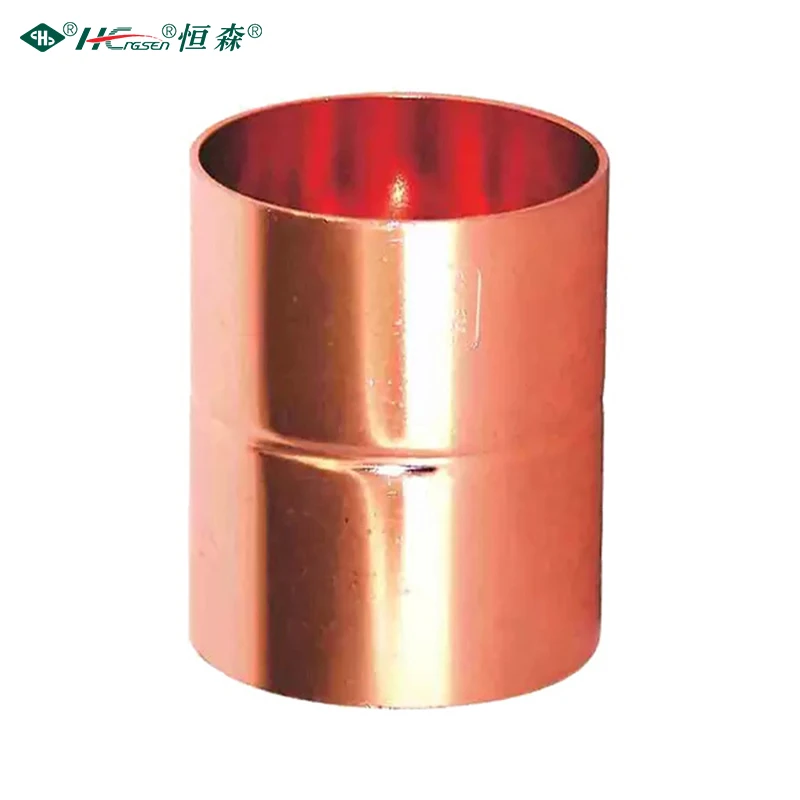
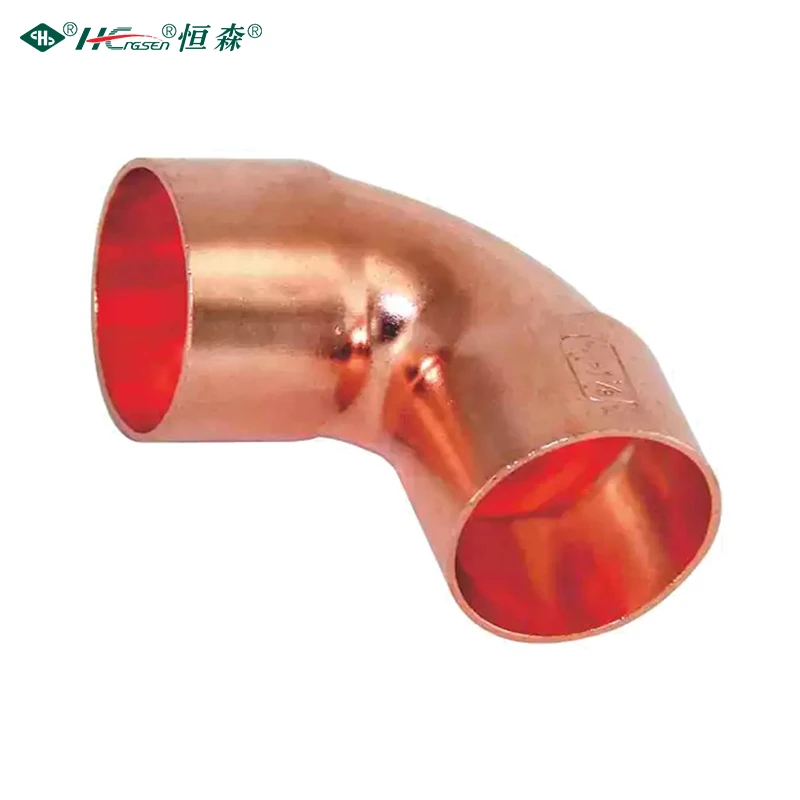
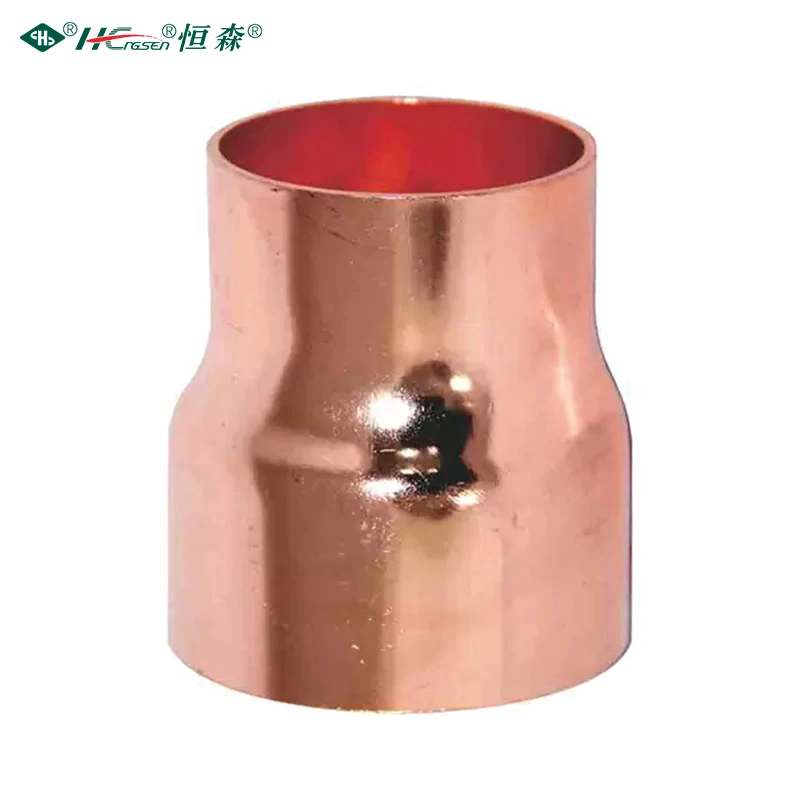
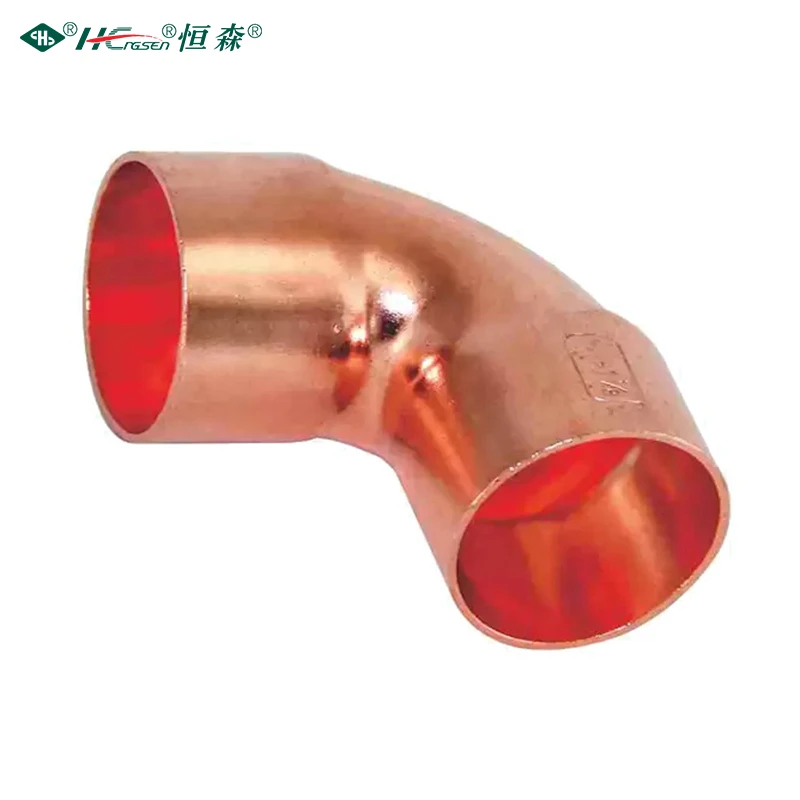
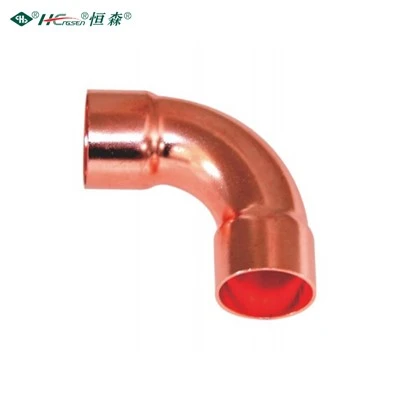
copper pipe: Copper fittings are components used in plumbing and HVAC (Heating, Ventilation, and Air Conditioning) systems to connect copper pipes or tubing together. They are essential for creating secure and leak-proof joints in piping systems. Copper fittings come in various shapes and sizes to accommodate different types of connections, such as elbows, tees, couplings, reducers, and adapters. Copper fittings are a fundamental component in plumbing and HVAC systems, providing secure connections and ensuring the smooth operation of fluid and gas distribution networks.
Common Types of Copper Fittings
Although metal pipes are relatively expensive, their stability and safety under high load, high temperature and high pressure conditions make them the first choice in many key areas.
1.2Plastic pipes
Plastic pipes are widely used in construction, water supply and drainage, chemical industry and agricultural irrigation due to their lightness, easy processing, corrosion resistance and convenient installation. Mainly include:
PVC pipes: Polyvinyl chloride pipes have good chemical stability and corrosion resistance, and are often used in building water supply, drainage systems and low-pressure transmission systems.
CPVC pipes: After modification on the basis of PVC, they have higher temperature resistance and corrosion resistance, and are suitable for high-temperature transmission and industrial pipeline systems.
PEX pipes: Cross-linked polyethylene pipes are widely used in household water supply and floor heating systems due to their excellent temperature resistance and flexibility.
PP pipes: Polypropylene pipes are light and corrosion-resistant, suitable for chemical medium transportation and food and beverage industries.
Plastic pipes have low production costs, are easy to install, and have excellent chemical corrosion resistance under certain conditions, but are usually slightly inferior to metal pipes in terms of pressure resistance and temperature resistance.
1.3Composite pipes and other special materials
In recent years, with the development of new material technology, composite pipes have gradually entered the market. This type of pipe is usually made of metal and plastic or other high-performance materials, combining the strength of metal pipes with the corrosion resistance and lightness of plastic pipes. Typical products include:
Glass fiber reinforced plastic pipes: With fiber reinforced plastic as the main material, it has good corrosion resistance and pressure resistance and is widely used in chemical and marine engineering.
Polyurethane pipes: Good flexibility, often used in vibration absorption and noise control occasions.
Composite pipes: Through the composite design of metal and polymer materials, a balance between high strength and light weight is achieved, which is suitable for high-end applications such as aviation and automobiles.
The emergence of composite pipes provides more possibilities for transportation systems under special working conditions, but also requires higher manufacturing processes and testing standards.
2. Manufacturing process and quality standards for different types of pipes
The quality of pipe products is directly related to their safety and service life in the project. Therefore, from raw material procurement to finished product delivery, each process must strictly follow the relevant standards.
Material selection and testing standards
Metal pipes: such as carbon steel and stainless steel pipes, need to comply with GB/T standards, such as GB/T 8163 (carbon steel seamless pipes), GB/T 12456 (stainless steel pipes), etc. The chemical composition, mechanical properties and corrosion resistance of raw materials must be strictly tested to ensure that the source of materials is regular and the performance is stable.
Plastic pipes: such as PVC, CPVC, PEX and PP pipes, must comply with national standards such as GB/T 10002, GB/T 13663, etc., to ensure that the products have good chemical resistance, temperature resistance and long-term stability.
Composite pipes: usually need to comply with industry-specific standards and performance indicators of composite materials to ensure that the components work together in the composite process to meet the design requirements.
All raw materials must undergo strict testing before entering the factory. The testing items include chemical composition, mechanical properties, dimensional accuracy, etc., and a test report is attached to ensure the reliability of the production basis.
Processing technology and finished product testing
During the manufacturing process, precision processing and strict testing are key links to ensure the quality of pipelines:
CNC processing: Use high-precision CNC machine tools for cutting, forming and welding to ensure that the product meets the design requirements in terms of size and surface finish. Control of tolerances during the production process is crucial, especially in the pipe interface part that requires precise matching.
Heat treatment process: Heat treatment of metal pipes (such as quenching and tempering) to adjust the internal structure of the material and improve wear resistance and fatigue resistance. Hardness testing and metallographic analysis must be performed after heat treatment to ensure stable process results.
Welding and stamping: Welding handwheels and stamping handwheels require uniform welds and no cracks during assembly; stamping handwheels need to be formed by molds to ensure the overall structural integration and accuracy.
Finished product inspection: including size inspection, surface roughness test, pressure and temperature resistance test, dynamic balance test, etc., to ensure that each batch of products meets the requirements of ISO9001 and national standards.
Assembly and installation inspection
The installation of the pipeline system not only requires the product itself to have excellent quality, but also requires strict control of process parameters during the installation process:
Interface inspection: The sealing and connection firmness of the pipeline connection part directly affect the stable operation of the system, and professional instruments must be used for leakage, pressure resistance and other tests.
Installation accuracy: For pipeline systems that require high concentricity and precision connection, laser ranging, centering instruments and other equipment are required for precise installation and correction to ensure the overall coordination of the system.
Environmental adaptability test: Simulate the actual working environment to test the temperature, pressure, vibration and other tests on the pipeline to ensure that the product still maintains excellent performance under complex working conditions.
3. Quality management system and international/domestic certification
In order to ensure that each process in the production process strictly meets the standard requirements, enterprises generally introduce international quality management systems such as ISO9001:2015. Zhejiang Hengsen Industrial Group Co., Ltd. has always adhered to this management system, implementing full-process quality control from raw material procurement to finished product delivery to ensure that the products are always in a high-quality state. In addition, the company has also actively passed CE, RoHS and other certifications to meet the relevant requirements of the European, American and international markets.
4. Introduction to Zhejiang Hengsen Industrial Group Co., Ltd.
Company Profile
Zhejiang Hengsen Industrial Group Co., Ltd. is located in Zhuji, Zhejiang, adjacent to Xiaoshan and Pudong International Airports, with obvious location advantages. The company was established in 2002 and is a high-tech enterprise focusing on the production of HVAC control products, pipe fittings and refrigeration accessories. With strict quality management and rich manufacturing experience, Hengsen continues to implement technical standards strategies to accelerate corporate transformation and upgrading. It has 5 subsidiaries with a total area of more than 80,000 square meters, more than 500 employees and more than 100 professional and technical personnel.
Main product and process advantages
The company's main products include various pipe fittings, connectors and related control products, which are widely used in HVAC systems and refrigeration equipment. Hengsen has strong technical strength and rich practical experience in pipe manufacturing and fittings production. The products are strictly produced in accordance with ISO9001:2015 standards in design, finishing and assembly processes. Product features are as follows:
High-precision design: All products can be designed according to customer specific requirements to ensure perfect matching with the equipment system.
Diversified products: The main products include welding handwheels and stamping handwheels, with outer diameters ranging from φ125-φ1200 and φ120-φ500 respectively, and the center hub can be customized into various shapes according to needs.
High-standard manufacturing: The company uses advanced CNC equipment and automated production lines, and all products are strictly tested from raw materials to finished products to ensure that each product meets high quality requirements.
Quick production response: Relying on an efficient production system, the company can complete the entire process from development and design to mass production in a short time to meet the rapidly changing needs of the market.
Market cooperation and customer feedback
As a long-term supplier of many large manufacturers in Europe and the United States, Hengsen has established a good brand image in domestic and foreign markets with its high-quality products and efficient services. Customers generally reflect that Hengsen products perform well in actual use, and the pipelines and related accessories have extremely high stability and durability, providing reliable protection for system operation.



Conclusion
As a vital transportation and connection element in industrial systems, the production standards of pipelines cover all aspects from raw material selection, processing technology, heat treatment, assembly testing to installation and maintenance. Only when each process is strictly implemented in accordance with the standards can we ensure that the product still maintains excellent performance under various complex working conditions such as high temperature, high pressure, and corrosion resistance. For more complete information, please contact