


When it comes to optimizing the efficiency and performance of your heating or cooling system, zone valves play a crucial role.
These valves control the flow of heated water or air to different zones or rooms within a building, ensuring that each area receives the right temperature at the right time. Whether you're upgrading an existing HVAC system or planning a new installation, selecting the right zone valve is essential for achieving energy efficiency, comfort, and cost-effectiveness. Below, we outline key considerations to guide you through the process of choosing the ideal zone valve for your needs.
Type of Zone Valve: 2-Port vs. 3-Port
Zone valves typically come in two primary types: 2-port and 3-port. A 2-port valve controls the flow of heating or cooling to a specific zone, turning it on or off as needed. This type is most commonly used in simple systems where precise zone control is required. On the other hand, a 3-port valve offers more versatility by allowing the mixing of different temperatures or diverting flow between multiple zones, providing additional flexibility for more complex systems.
For most residential and commercial heating systems, a 2-port valve is sufficient for controlling heating or cooling flow to individual zones. However, if you're dealing with larger systems that require more advanced control, a 3-port valve may be a better choice.


Technical Parameters
| Ordering model | Product model | Valve type | Diameter | Thread size | Kv value | Maximum closing pressure difference kPa |
Dimensions | ||
| L | W | H | |||||||
| 12000 | DDF-X-215*DFQ-XA1-220 | 2 port | 15 | G12 | 2.2 | 250 | 81 | 21 | 19 |
| 12001 | DDF-X-220*DFQ-XA1-220 | 2 port | 20 | G3/4 | 2.6 | 250 | 81 | 21 | 19 |
| 12003 | DDF-X-225*DFQ-XA1-220 | 2 port | 25 | G1 | 3.2 | 250 | 88 | 25 | 23 |
| 12008 | DDF-X-315*DFQ-XA1-220 | 3 port | 15 | G12 | 2.2 | 250 | 81 | 35 | 19 |
| 12009 | DDF-X-320*DFQ-XA1-220 | 3 port | 20 | G3/4 | 2.6 | 250 | 81 | 35 | 19 |
| 12010 | DDF-X-325*DFQ-XA1-220 | 3 port | 25 | G1 | 3.2 | 250 | 92 | 42 | 23 |
| Note: The above table is the commonly used recommended models, please consult for details. | |||||||||
Size and Compatibility
The size of the zone valve is an important consideration to ensure proper integration with your existing plumbing or ducting system. Zone valves are available in a range of sizes, with 15mm, 22mm, and 28mm being the most common for residential and light commercial systems. The correct size should match the diameter of the piping used in your system.
Before purchasing, check whether the valve is compatible with your system's layout, including the pipe size, configuration, and type of fluid (water or air). Some valves are designed specifically for hydronic systems, while others are suitable for air-based systems. Make sure the valve is compatible with your heating or cooling medium to ensure smooth operation.
Actuation Mechanism: Motorized vs. Spring-Return
Zone valves typically operate using either a motorized actuator or a spring-return actuator. A motorized actuator uses an electric motor to open or close the valve based on the control signals received from a thermostat or building management system. This is the most common type used in modern systems due to its precise control and reliability.
In contrast, a spring-return valve relies on the return action of a spring to close the valve when power is lost or when no current is supplied. These types are often used in older systems or where simpler control is required. Consider the ease of installation, maintenance, and the specific demands of your heating system when deciding between these actuator types.
Material and Durability
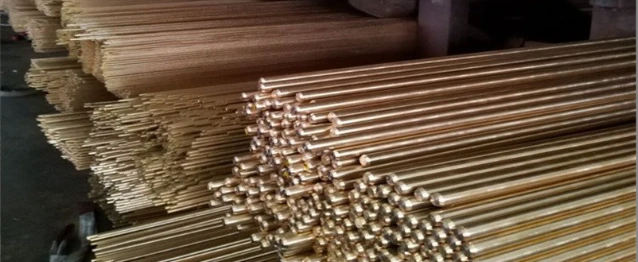
The material of the zone valve is another important factor in determining its longevity and performance. Zone valves are commonly made from brass, stainless steel, or plastic. Brass and stainless steel valves offer excellent durability and resistance to corrosion, making them ideal for hydronic heating systems. They are especially useful for systems that involve high temperatures or aggressive chemicals.
For air-based systems or lighter applications, plastic valves can be a cost-effective choice, though they may not be as long-lasting or resistant to wear as metal valves. Always opt for high-quality materials to ensure the longevity and reliability of the valve in your system.
Flow Rate and Pressure Rating
The flow rate and pressure rating of the valve should match the requirements of your heating or cooling system. Make sure that the valve can handle the flow rate and pressure required to ensure proper operation. If the valve is undersized, it may restrict flow and cause inefficiency in the system, leading to temperature imbalances or strain on the pump. Similarly, if the valve is oversized, it may waste energy and increase the initial cost of installation.
Check the specifications of the valve to confirm that it meets the operational requirements of your system.
Control Options and Smart Integration
Modern heating and cooling systems often integrate with smart thermostats and building management systems for enhanced control and efficiency. When purchasing a zone valve, consider whether it is compatible with smart control systems or if it can be integrated with existing automation tools. Many zone valves are designed to work with smart thermostats, allowing you to control the temperature of each zone remotely through your phone or smart device.
Ease of Installation and Maintenance
A key consideration when choosing a zone valve is its ease of installation and ongoing maintenance requirements. Some valves come with user-friendly designs that are easier to install, while others may require more complex procedures or specialized knowledge. If you're hiring a professional to install the valve, ensure that they are familiar with the valve model you choose.
Additionally, consider how easy it will be to service or replace the valve in the future. Valves with removable actuators or modular designs can make repairs and replacements quicker and more cost-effective.
Conclusion
Choosing the right zone valve is crucial for ensuring that your heating and cooling systems are efficient, reliable, and cost-effective. By considering factors such as the type of valve, size, actuator mechanism, material, and integration options, you can make an informed decision that meets your specific needs. Whether you're upgrading an existing system or planning a new installation, investing in the right zone valve will lead to greater comfort, lower energy bills, and a more sustainable heating or cooling solution.